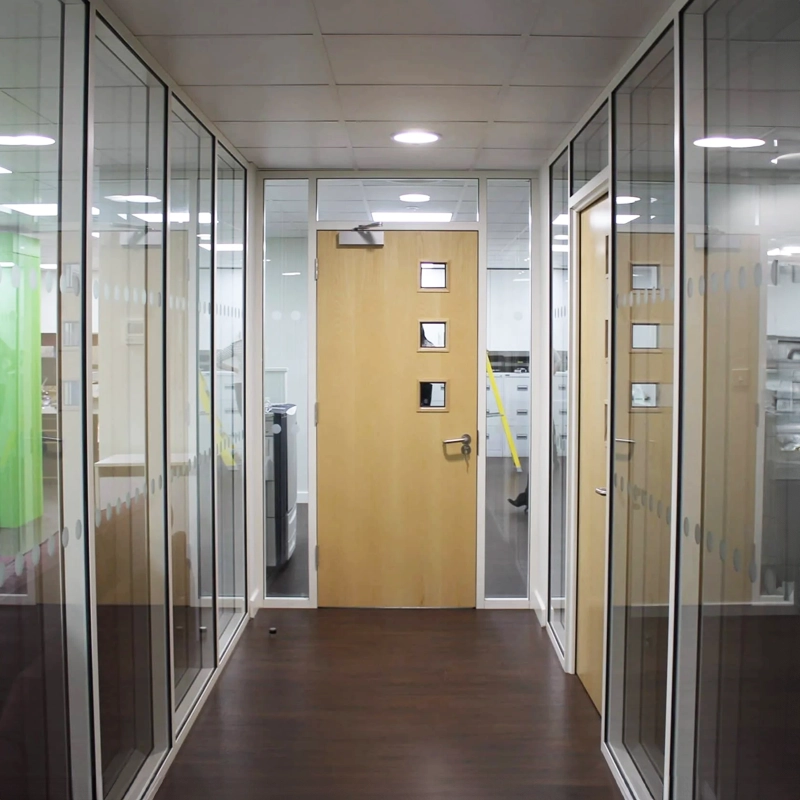



looking for acoustic glass windows?
Acoustic glass windows are designed to help reduce the amount of noise that enters or travels between spaces, offering a quieter and more comfortable environment for work, living, or gathering. For many projects, managing sound is as important as controlling light and temperature, particularly in areas where tranquillity supports wellbeing and productivity. Whether in busy urban settings, near transport routes, or within buildings where different activities happen simultaneously, glazing that considers sound performance can make a noticeable difference to how a space feels.
One of the essential considerations for acoustic glass windows is understanding how sound travels. Noise passes through openings and solid elements alike, and traditional single-pane glass may offer only limited resistance. Acoustic glazing improves on this by introducing multiple layers, increased thickness, or specialised interlayers that help disrupt and absorb sound energy before it transmits through the pane. The result is glazing that contributes to overall comfort without compromising visibility or daylight, allowing spaces to feel open while controlling unwanted noise.

acoustic glass windows
important factors
In everyday environments, even moderate levels of sound can be distracting. Open plan offices, education spaces, and healthcare facilities often have a mix of activities happening at once. Acoustic glass windows help manage these interactions by offering a barrier that reduces the clarity and volume of sound passing through the glass. This can help occupants concentrate, relax, or communicate more effectively without raising voices or relying on additional sound masking measures. Reducing intrusive noise helps support both wellbeing and performance.
Quality is central to how well acoustic glass windows perform over time. Not all glass with a nominal sound rating delivers the same experience, because performance depends on how the glass is engineered and manufactured. The choice of materials, interlayer type, and thickness all contribute to sound reduction. Well-made acoustic glazing is designed to deliver consistent performance across the full surface, helping to ensure that noise control is reliable rather than variable. Choosing products with appropriate acoustic characteristics helps avoid disappointment and ensures expectations align with real-world use.
Sustainability is also an increasingly important factor when specifying any building material. High-performance glazing that includes acoustic considerations can contribute to longer-term efficiency and comfort, reducing the need for additional corrective measures such as secondary blinds or partitions. Glass itself is a material that can be recycled at the end of its life, and when produced with responsible processes, acoustic glazing fits into broader plans to reduce environmental impact. Thoughtful specification helps balance performance and responsibility, ensuring projects remain mindful of their long-term footprint.
The right manufacturer is vital when selecting acoustic glass windows. Producing glazing that performs well acoustically requires precise control over materials and assembly. Experienced manufacturers understand how to combine different layers and interlayers, ensuring the finished product meets expected standards without unintended side effects such as optical distortion or diminished clarity. Expertise in glass production also supports consistency across batches, which is especially important for larger projects where multiple windows or panels are required.
Manufacturing experience extends beyond technical capability; it includes an understanding of how acoustic glazing fits into different building types. From residential homes near busy roads to commercial offices seeking calm interiors, the context in which acoustic glass windows are used helps determine the most appropriate specification. An experienced team can guide decisions about thickness, configuration, and how best to integrate the glass with frames or other elements of a façade or partition system, ensuring performance is optimised for real conditions.
Appearance matters just as much as performance. Acoustic glass windows are designed to control sound without compromising the visual qualities that make glass desirable in the first place. Clear sightlines, natural daylight, and visual continuity are all preserved, helping maintain a sense of connection between spaces while addressing acoustic needs. Well-designed glazing remains an aesthetic contributor to interior and exterior environments, blending seamlessly with architectural intent and design language.
essential features
Long-term reliability is essential. Glazing that is subjected to daily use, changing temperatures, and environmental conditions must maintain its performance throughout its lifespan. Acoustic glass windows that are manufactured to high standards will remain stable, with layers and interlayers that continue to perform as expected. This durability supports confidence in the investment, reducing the likelihood of premature replacement or performance decline, and contributing to smooth building operation over time. A clear understanding of how acoustic glazing performs in practice helps set realistic expectations. Noise reduction is a relative measure, and while acoustic glass windows significantly improve control compared with basic glazing, they do not create complete silence. Instead, they reduce the transmission of sound to a level that supports comfort and usability. Recognising this helps ensure that projects specify acoustic glazing where it delivers meaningful benefit, rather than as a generic solution for every situation.
Helpful advice from a trusted supplier is a valuable part of the selection process. Assessing needs often begins with questions about the environment, noise sources, and how different spaces are used. A supplier who can listen to these requirements and explain how various options perform helps guide clients toward appropriate decisions. Clear, practical guidance supports confidence in specification, ensuring that acoustic glass windows are chosen for reasons grounded in real-world performance and application. At ESG Glass, acoustic performance is considered alongside other key factors such as clarity, durability, and manufacturing quality. By combining experience with a commitment to well-made products, we aim to help clients find glazing that aligns with how a space will be used, what it needs to achieve, and how occupants should feel within it. Thoughtful selection of acoustic glass windows supports environments where comfort and practicality come together, offering a balance of transparency and sound control that enhances everyday life.