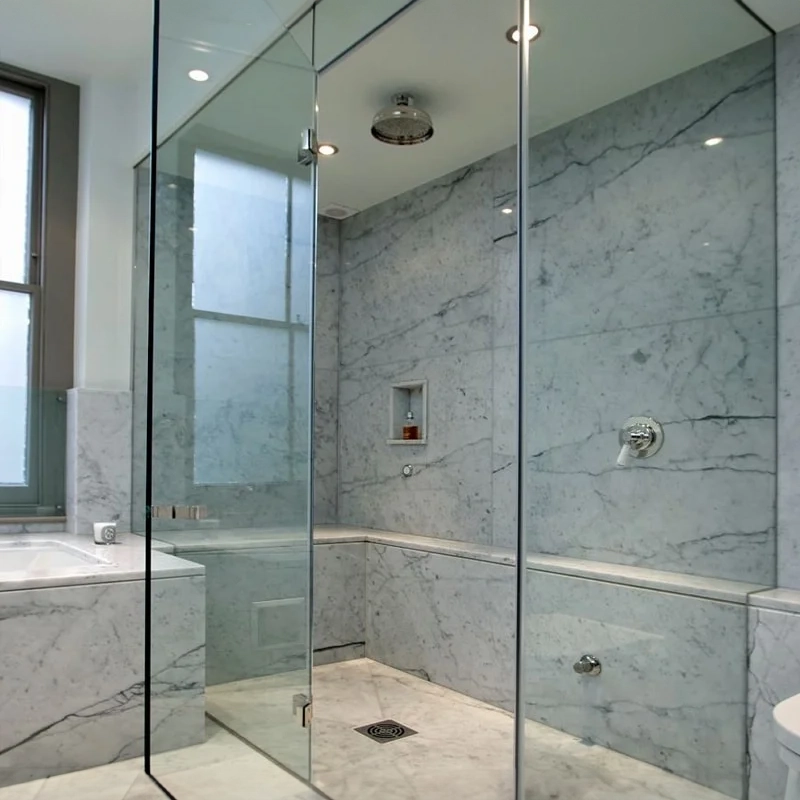



looking for clear toughened glass panels?
Clear toughened glass panels are widely used in modern architectural and interior spaces because they combine strength, safety, and visual clarity in a way that standard glass cannot. In many environments, whether residential, commercial, or public, the ability to maintain unobstructed views while providing durable, reliable glazing is essential. These panels use a specialised toughening process that improves performance without sacrificing the light transmission and transparency that make glass such an attractive material in contemporary design.
The toughening process subjects the glass to controlled heating and rapid cooling, which increases its resistance to impact and stress compared with regular annealed glass. This creates a panel that is significantly stronger and more robust, making it suitable for applications where safety and durability matter. If the glass does break under extreme conditions, it shatters into relatively harmless, small pieces rather than sharp, jagged shards, reducing the risk of serious injury. This behaviour is one of the key reasons clear toughened glass panels are specified in areas that are subject to frequent use or where people are in close proximity to the glazing.
In everyday environments, these panels help support both functionality and aesthetics. Staircases, façades, internal partitions, balustrades, and doors often benefit from this type of glass because it allows spaces to feel light and open while still providing a strong, dependable barrier. The transparency of the glass maintains sightlines, maximises natural light, and helps promote a sense of openness that can be difficult to achieve with solid materials like wood or metal. This quality makes clear toughened glass panels a preferred choice for designers and property owners.
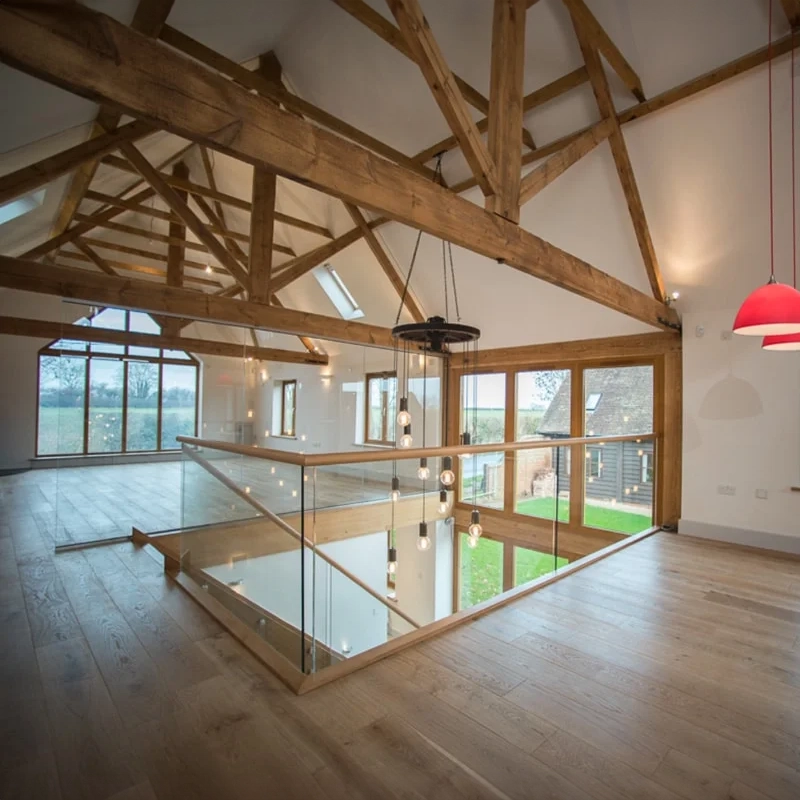
clear toughened glass panels
important factors
Quality is a key factor in how well these panels perform over time. Well-manufactured toughened glass is not only strong but also consistent in clarity and structural behaviour. Poorly made glass may suffer from visual distortion or inconsistent strength, which can diminish both performance and appearance. Panels produced under strict quality control ensure that the toughening process has been applied uniformly, giving confidence that the finished glass will behave reliably in real-world conditions. Investing in quality manufacturing helps ensure that the glass remains stable and visually clear, even after years of use.
Durability ties closely to both safety and practicality. Clear toughened glass panels are designed to withstand knocks, environmental stress, and daily interaction without compromising their structural integrity. This durability reduces the likelihood of premature damage or failure, making such panels a practical long-term choice. Easy maintenance also contributes to their appeal: the smooth, toughened surface resists staining and wear, making regular cleaning straightforward with standard care routines.
Sustainability is another important consideration for many clients. Glass is a material that can be recycled, and products that are designed to endure daily demands help reduce the need for frequent replacements. Durable glazing contributes to resource efficiency by supporting long service life and minimising waste. Thoughtful specification of clear toughened glass panels can align with broader environmental goals, particularly when combined with other energy-efficient building elements.
Design flexibility is one of the strengths of this type of glass. Panels can be created in a variety of sizes and configurations to suit different architectural and interior applications. Because they maintain high transparency, they work well in both interior and exterior settings without disrupting visual continuity. This flexibility allows architects and designers to use clear toughened glass panels as focal points or as subtle design elements that enhance rather than dominate a space.
Clarity of performance expectations is also important. While these panels are significantly stronger than ordinary glass, it is realistic to understand that no material is completely indestructible. Very high energy impacts or extreme conditions can still cause damage. Balancing expectations with practical performance helps ensure that clear toughened glass panels are specified in scenarios where their benefits are most meaningful.
the essentials …
Reliable performance contributes to confidence in everyday use. For occupants and building users, knowing that glazing is robust and well-made helps reduce concerns about breakage or unexpected issues. Whether in a home, an office, or a public building, dependable glass supports a smoother experience and helps maintain safety standards over time. Confidence in the material encourages broader use in places where transparency and strength are valued together.
Helpful guidance from a knowledgeable supplier enhances the specification process. Understanding how thickness relates to panel height, how fixings integrate with structural elements, and what applications are most suitable for toughened glass assists in making informed choices. A supplier who can explain these aspects clearly and honestly adds value beyond simply providing the glass, helping clients align their choices with practical needs and design intentions.
Clear toughened glass panels contribute to well-lit, open, and visually appealing environments while offering strength and performance that support long-term use. Their ability to combine safety with transparency makes them a versatile choice for many applications. By focusing on quality manufacturing, thoughtful design, and practical performance, these panels help projects achieve both functional and aesthetic goals.
At ESG Glass, we understand that selecting the right glass often starts with understanding what a space needs to achieve. Our find my product section is designed to help you translate those needs into appropriate options, guiding you towards clear toughened glass panels and other glazing solutions that align with your project requirements, expectations, and long-term goals.