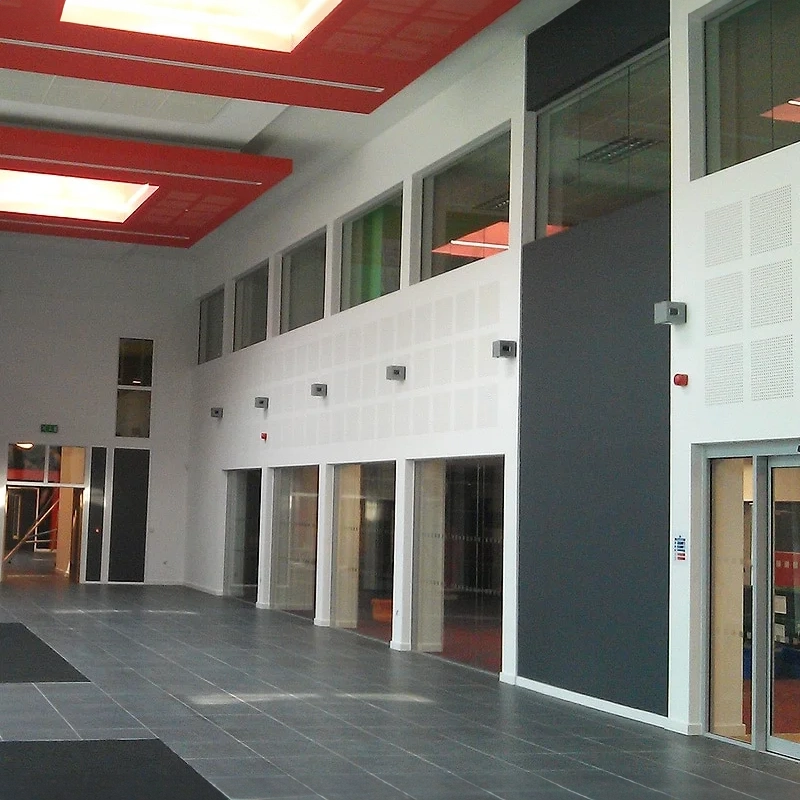



looking for laminated glass?
Laminated glass is a trusted choice in many architectural and building projects because it combines strength, safety, and performance in a way that standard glass alone cannot. At its core, this type of glass consists of two or more glass layers bonded together with a resilient interlayer. This structure creates a panel that behaves differently under stress than ordinary glass, offering benefits that can matter in everyday environments. Whether it’s used in buildings, partitions, balustrades, windows, or other glazed features, laminated glass provides qualities that support both safety and design.
One of the most important characteristics of laminated glass is the way it behaves if it is broken. Unlike single-pane glass that can shatter into sharp, uncontrolled fragments, laminated panels tend to hold together when impacted. The interlayer keeps broken pieces in place rather than allowing them to fall away. In practical terms, this means that if an object strikes the glass with significant force, there is a lower risk of loose shards causing injury or falling to the ground. This inherent safety benefit makes laminated panels a common specification in public buildings, schools, healthcare settings, and high-traffic spaces where people are moving through regularly.
Because laminated glass retains broken fragments, it also contributes to security considerations. Panels that remain intact after impact are less likely to allow easy penetration, which can delay or deter unauthorised access. For spaces where controlled visibility and access are important, such as shopfronts, office façades, or areas adjacent to pedestrian traffic, this added level of protection supports peace of mind without requiring visibly heavy or obstructive barriers.
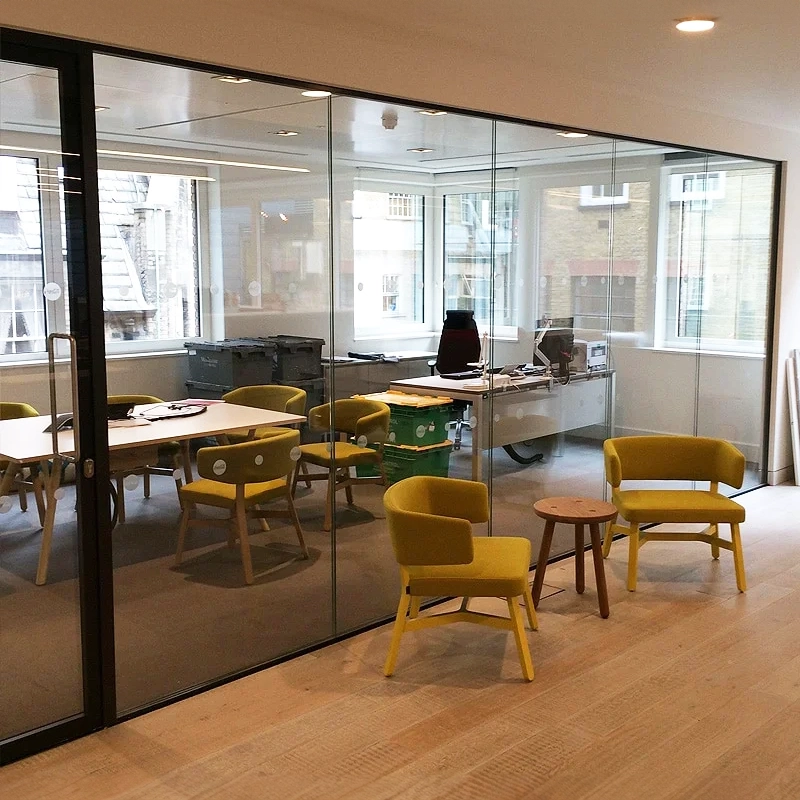
laminated glass – important factors
Sound control is another aspect where laminated panels often perform well. The resilient interlayer not only holds glass fragments together but also helps dampen the transmission of sound vibrations. This can contribute to quieter internal environments, particularly where external noise is a concern, such as near busy streets or in mixed-use developments. While laminated glass does not replace specialised acoustic solutions, it can form part of a glazing strategy that considers the comfort of occupants and the quality of internal spaces.
Visual performance remains a strong point for laminated products. Because the construction involves bonding glass layers with a clear interlayer, the resulting panel can be nearly as transparent as standard glass when properly manufactured. This means that sightlines are preserved, light continues to travel through spaces freely, and interior environments retain a sense of openness. Whether used in exterior façades, internal partitions, or stairway enclosures, laminated glass allows designers to balance openness with performance without compromising on aesthetic quality.
Quality manufacturing is central to how well laminated glass performs over time. The interlayer must be bonded consistently and without voids, and the glass surfaces must be clean and free of defects before lamination. These factors influence both the visual clarity and structural behaviour of the finished panel. Investing in well-made laminated products helps ensure that the glass remains stable, durable, and free from unexpected visual distortion, which supports confidence in long-term performance.
Durability is closely linked to both safety and practicality. In environments where glass is subject to knocks, weather exposure or everyday wear, a panel that can resist breakage or remain intact if damaged supports smoother operation and fewer interruptions. Laminated glass’s tendency to stay in place even after impact reduces the need for immediate replacement, lowering potential downtime and contributing to overall reliability. This makes it a practical choice for locations where ease of maintenance and long service life are important considerations.
The right manufacturer plays a vital role in delivering the benefits that laminated products promise. Experience in producing laminated panels ensures that materials are selected correctly, lamination processes are controlled, and quality checks are in place to confirm performance expectations are met. This level of expertise also supports the ability to offer bespoke options where required, such as panels made to specific sizes, thicknesses, or integrated with other glass performance features like low-emissivity coatings or acoustic interlayers.
the essentials …
Design flexibility is a key advantage of laminated glass. Because it can be made in a variety of thicknesses and configurations, it fits a wide range of applications. Whether it’s part of an energy-efficient façade, a protective balustrade in a residential setting, or a thoughtful interior partition in a commercial fit-out, laminated panels adapt to differing needs. This versatility makes them a useful consideration in projects that balance performance, appearance, and safety.
Clarity of communication when specifying laminated glazing matters just as much as clarity of vision through the glass. Understanding how the panels are constructed, what performance characteristics they offer, and how they align with project needs supports informed decisions. Glass that is chosen with practical context in mind – based on how spaces are used and what environmental factors are present – is more likely to deliver satisfaction over time.
It’s also important to recognise the realistic limits of any material. Laminated panels significantly enhance safety and performance compared with standard single panes, but they are not indestructible. Very high-energy impacts or extreme conditions can still cause damage. Balancing expectations with real-world performance helps ensure that laminated glass is specified where it adds genuine value, rather than as a blanket solution for all scenarios.
Reliability, appearance, and performance combine to make laminated glass a sensible choice for many applications. By retaining visibility, enhancing safety and supporting long-term performance, these panels help create spaces that feel secure, open and thoughtfully designed. Whether in residential, commercial or public environments, laminated products offer a balance of qualities that align with both practical needs and aesthetic intentions.